
Introduction
PRP Therapy, or Platelet-Rich Plasma Therapy, is gaining attention for its natural approach to hair and skin health. Many people now seek PRP therapy for hair loss and skin rejuvenation. But did you know PRP is also used in dentistry? This treatment uses your own blood to help heal and restore tissues. Because it is natural, many find it safe and effective. In this blog, you will learn how PRP Therapy works, its benefits for hair, skin, and dental care, and what to expect if you choose this treatment.
What is PRP Therapy?
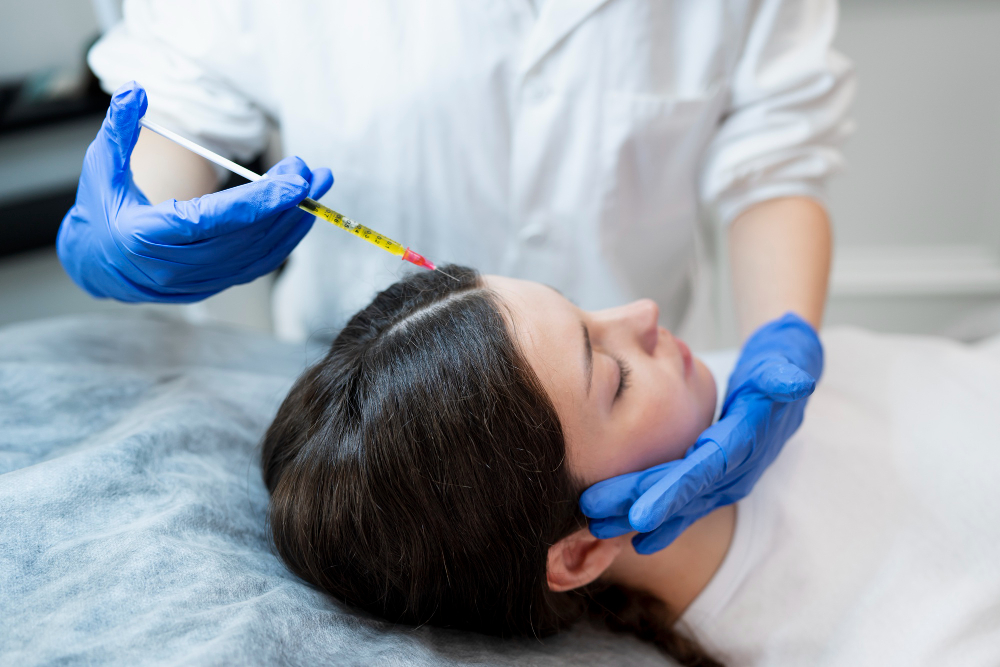
PRP stands for Platelet-Rich Plasma. It is a treatment that uses a small amount of your own blood. First, your blood is drawn and spun in a machine called a centrifuge. This process separates the platelets from other parts of the blood. Platelets are tiny cells that help your body heal. The doctor then injects this rich plasma into the area that needs healing, such as your scalp, skin, or gums. Because PRP uses your own blood, it is considered a natural hair and skin treatment.
How Does PRP Therapy Work for Hair and Skin?
PRP therapy for hair loss is popular because it can help stimulate hair growth. After the PRP is injected into the scalp, the platelets release growth factors. These growth factors help repair hair follicles and encourage new hair to grow. Similarly, PRP for skin rejuvenation works by boosting collagen production. Collagen is a protein that keeps your skin firm and smooth. As a result, many people notice fresher, younger-looking skin after PRP treatments. In both cases, the body’s natural healing power is at work.
Benefits of PRP Therapy in Dentistry
PRP therapy is not just for hair and skin. Dentists use PRP to help patients heal faster after dental procedures. For example, after tooth extractions or gum surgery, PRP can speed up recovery. Here are some key benefits of dentistry PRP therapy:
Because PRP is natural, it is often chosen by people who want to avoid chemicals or artificial treatments.
Who is a Good Candidate for PRP Therapy?
Not everyone is the right fit for PRP therapy. However, many healthy adults can benefit. You may be a good candidate if you:
On the other hand, people with blood disorders or certain medical conditions may not be suitable. Always talk to your doctor or dentist before starting PRP therapy.
What to Expect During PRP Treatment
First, your healthcare provider will draw a small amount of your blood. Next, they will spin it in a centrifuge to separate the platelets. Then, the PRP is injected into the target area. The whole process usually takes less than an hour. Most people feel only mild discomfort, similar to a regular injection. After treatment, you can often return to your normal activities right away. However, your doctor may give you special care instructions to follow.
Risks and Side Effects
Because PRP uses your own blood, the risk of allergic reaction is very low. Still, like any medical procedure, there can be side effects. These may include:
Serious side effects are rare. But, you should always let your doctor know if you notice anything unusual. According to the CDC and peer-reviewed studies, PRP is generally safe when performed by trained professionals.
Tips for Maximizing Results
To get the best results from PRP therapy, follow these tips:
Additionally, let your provider know about any medicines or supplements you take. This helps ensure your safety and the best possible outcome.
Frequently Asked Questions (FAQs)
In summary, PRP Therapy offers a natural way to boost hair, skin, and dental health. Consult a dental specialist to learn if PRP Therapy is right for your hair and skin needs.